How Health Changes Over Time: What Your Body Needs in Every Season of Life
Health is often discussed as a destination, a fixed state of being "fit" or "well." In reality, health is a moving target. Our biological systems are in a constant state of flux, adapting to the passage of time, environmental shifts, and internal hormonal cues.
How health changes with age is not merely a story of decline, but one of evolution. The high-octane recovery of your 20s eventually gives way to the nuanced metabolic needs of your 40s and the cognitive maintenance of your 60s. Understanding these shifts is the first step toward a lifestyle that supports, rather than fights, your body’s natural progression.
The Biology of Transition: How Systems Shift
As we move through different decades, our internal "software" updates. These shifts occur across three primary pillars:
1. Metabolic Rate and Composition
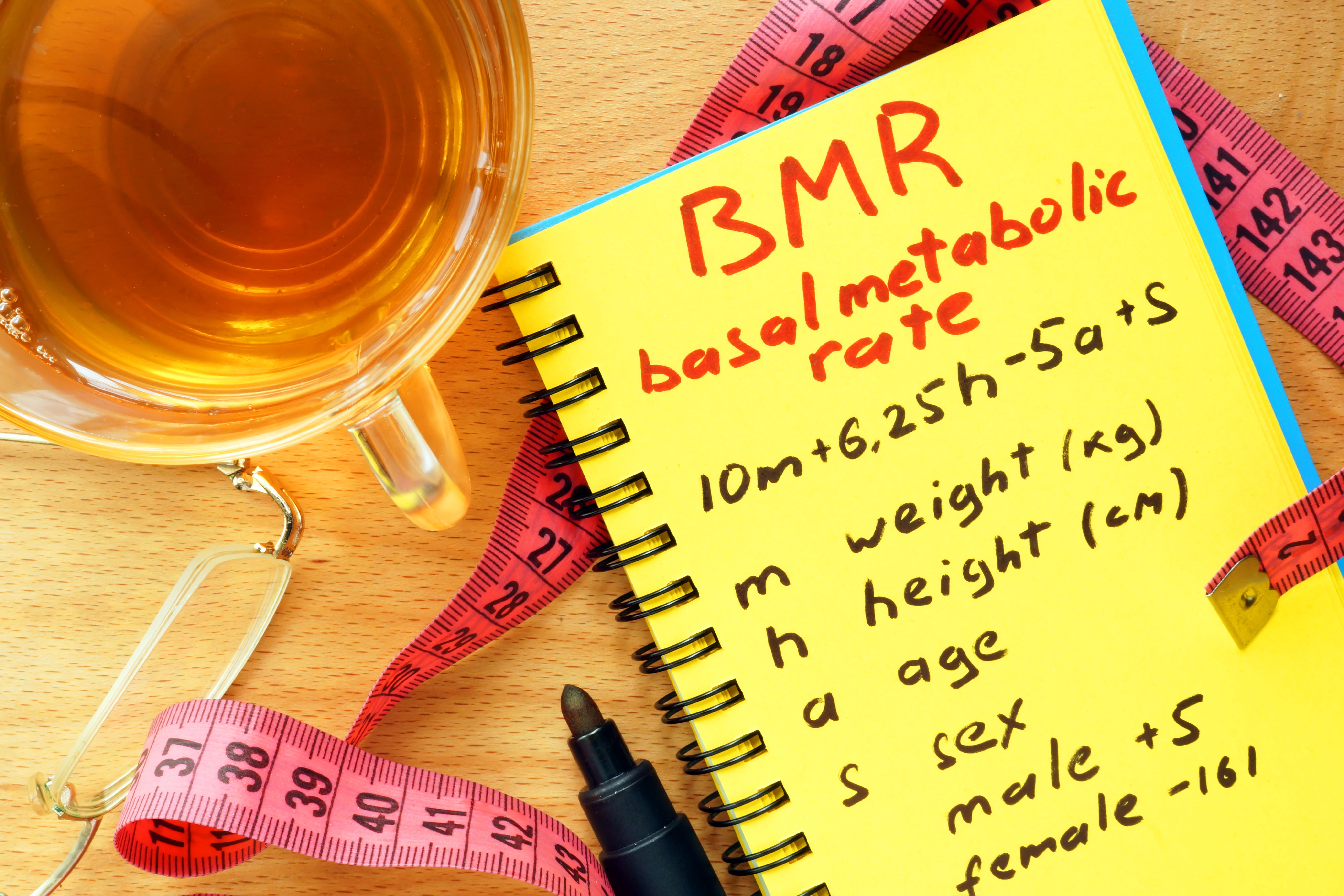
In our younger years, the basal metabolic rate (BMR) is high, driven by growth hormones and higher muscle mass. As we age, muscle tissue naturally tends to decrease, a process known as sarcopenia. This can slow the metabolism and change how we process glucose and fats.
2. Hormonal Architecture
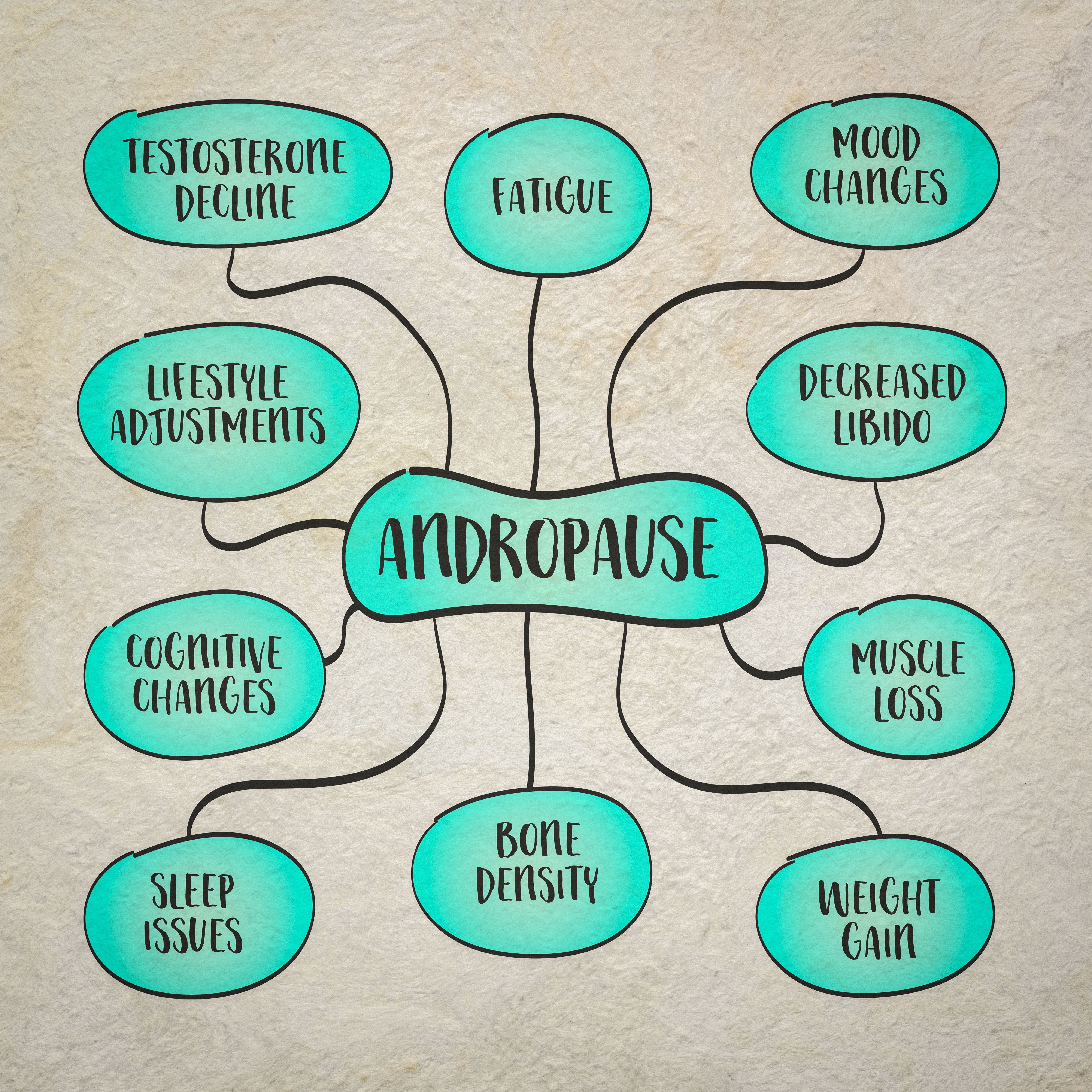
From the growth surges of adolescence to the fluctuations of menopause and andropause, hormones dictate our energy, mood, and bone density. A decline in estrogen or testosterone doesn't just affect reproductive health; it impacts cardiovascular resilience and skin elasticity.
3. Cellular Repair and Inflammation
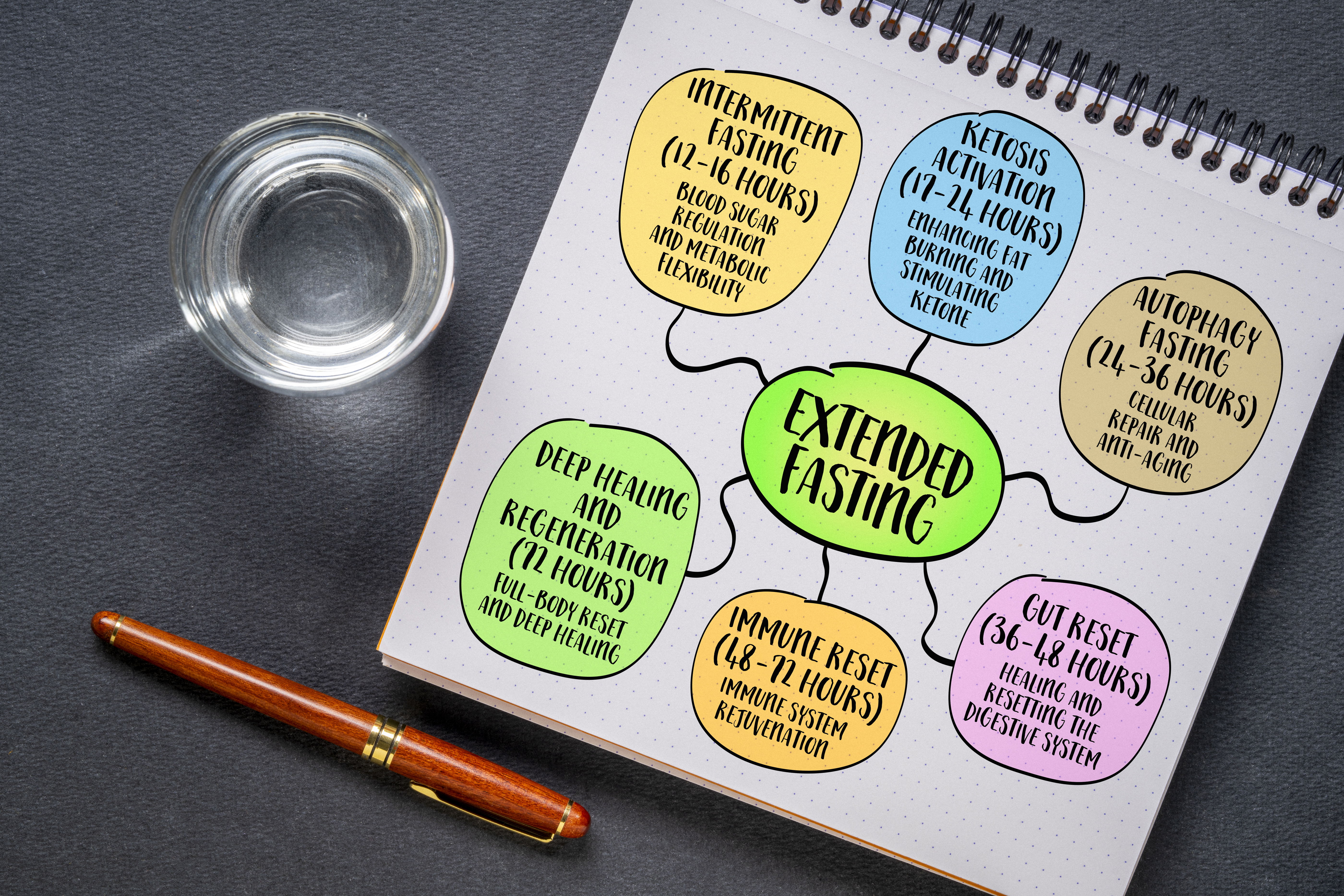
The body’s ability to "bounce back" depends on cellular autophagy, the process of clearing out damaged cells. Over time, this process slows down, leading to what researchers call "inflammaging," a low-grade, chronic inflammation that requires specific nutritional and lifestyle interventions to manage.
Why Generic Wellness Advice Often Fails
The fitness industry often pushes a "one size fits all" narrative. However, a high-intensity interval training (HIIT) session that energizes a 25-year-old might cause excessive cortisol spikes and joint strain in a 55-year-old.
Generic advice fails because:
- It ignores recovery windows: Older bodies require more time for protein synthesis and tissue repair.
- It overlooks nutrient density: As caloric needs decrease, the quality of those calories becomes non-negotiable.
- It misses hormonal context: Standard diets rarely account for the insulin sensitivity changes that occur as we mature.
Seasonal and Lifestyle Stressors Explained
Beyond biological age, our health is influenced by the "seasons" of our environment and life stages.
| Season of Life | Key Stressors | Primary Body Need |
| The Building Years (20s-30s) | Career stress, lack of sleep, high activity. | Micronutrient density and stress management. |
| The Power Years (40s-50s) | "Sandwich generation" stress, hormonal shifts. | Strength training and anti-inflammatory fats. |
| The Wisdom Years (60s+) | Cognitive load, joint mobility, digestion. | Lean protein and Vitamin D. |
External seasons also play a role. Cold weather demands more support for the immune system, while the heat of summer requires a focus on electrolyte balance, which the body regulates less efficiently as we age.
The Foundation of Sustained Wellness

Understanding how health changes with age is not about mourning the body you used to have; it is about empowering the body you have now. By recognizing that your needs for protein, rest, and movement will evolve, you can build a foundation of sustained wellness that lasts a lifetime.